

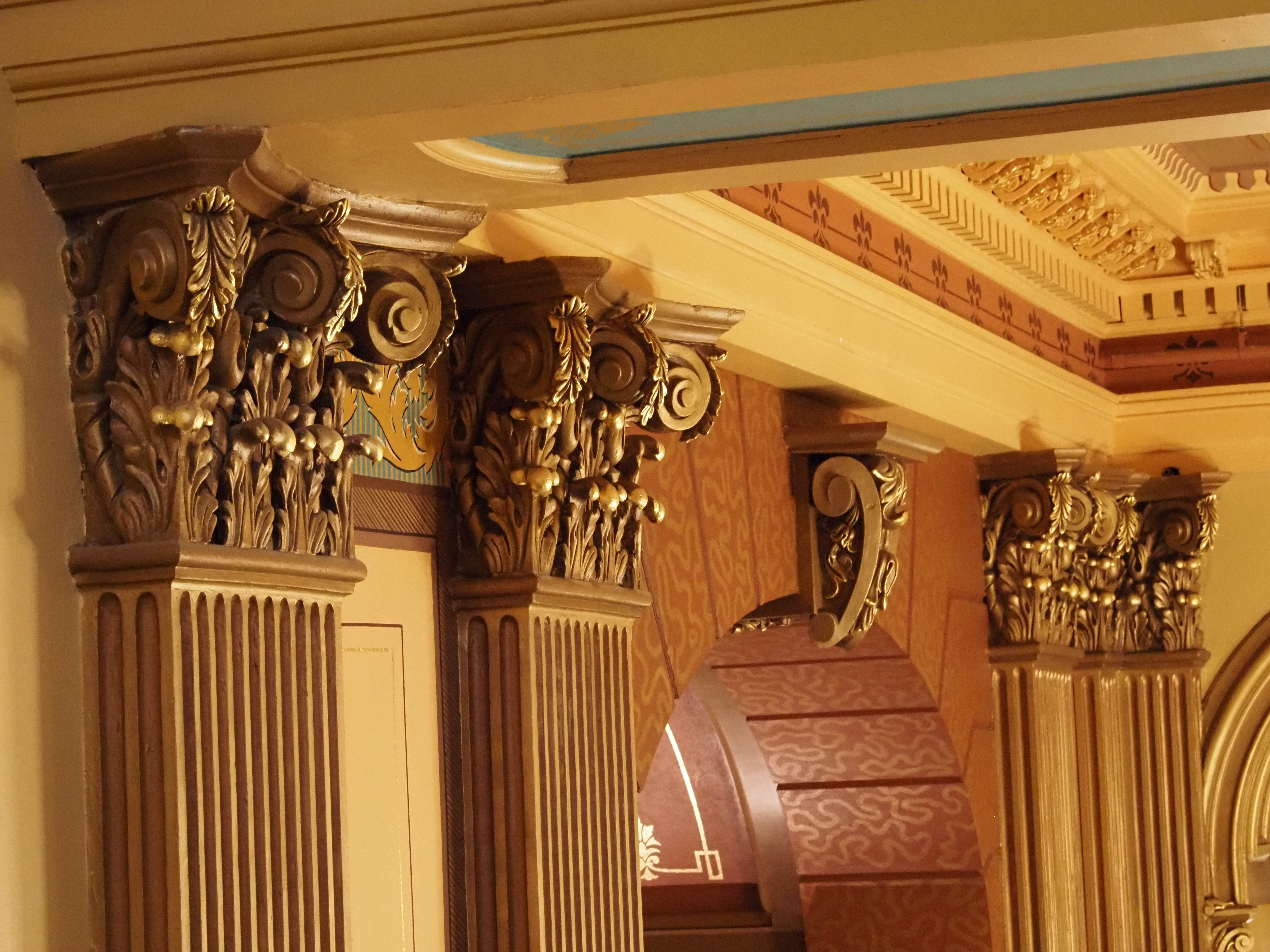
When most visitors step into the Michigan State Capitol, they notice the breathtaking painted ceilings, handcrafted woodwork, decorative plaster, and historic furnishings. What they don't see is the sophisticated digital technology working quietly behind the scenes to help preserve these irreplaceable treasures for generations to come.
For nearly a decade, the Capitol's facilities, construction, and decorative arts teams have worked alongside Quinn Evans Architects to develop an innovative digital resource known as the Preservation Intelligence Platform (PIP). This long-term initiative brings together building management, conservation, maintenance, and historical documentation into one interconnected system, ensuring that decades of restoration knowledge are never lost.
A Digital Twin of Michigan's Capitol
At the heart of the Preservation Intelligence Platform is a highly detailed digital twin of the Michigan State Capitol. More than a simple 3D model, this virtual representation contains an incredible amount of information about the building and its contents.
Staff can navigate through the model to better understand how the Capitol functions beneath its historic surfaces. Infrastructure hidden behind walls and ceilings can be viewed digitally, allowing maintenance staff to locate utilities, identify access points, and plan repairs before any work begins.
The platform also connects valuable information about individual architectural features, decorative finishes, and even historic furnishings. In many cases, staff can quickly answer questions such as:
- When was this feature installed or restored?
- When was it last inspected or serviced?
- What conservation treatments have been completed?
- What historical records, photographs, or reports are associated with it?
Instead of searching through countless paper files or separate databases, this information is available in one centralized location.
Monitoring the Building in Real Time
Historic buildings require constant care, and even small environmental changes can have long-term effects on decorative finishes, artwork, wood, plaster, and textiles.
One component of the Preservation Intelligence Platform continuously monitors temperature and humidity throughout the Capitol in real time. Staff receive immediate access to environmental data, allowing them to recognize unusual conditions before they become larger problems.
Maintaining stable environmental conditions helps protect the building's historic materials while reducing the risk of deterioration caused by moisture or fluctuating temperatures.
Connecting People, Projects, and History
The Preservation Intelligence Platform is much more than a facilities management system. It represents years of collaboration between multiple disciplines, bringing together construction professionals, facility managers, architects, conservators, historians, and digital specialists into a single source of knowledge.
Every restoration project, maintenance activity, condition assessment, conservation treatment, photograph, and historical record adds another layer to the Capitol's evolving story. Rather than information becoming scattered across reports or forgotten over time, each new project strengthens the platform for future generations.
A Tool for Today's Decisions and Tomorrow's
Imagine a tour guide notices a new stain appearing on the ceiling of the Governor's Parlor.
Using the Preservation Intelligence Platform, facilities staff can immediately review nearby plumbing systems, monitor real-time building conditions, identify shut-off valves, and isolate the source of a leak. Meanwhile, decorative arts specialists can reference previous conservation treatments, construction details, and historical documentation before determining the safest repair approach.
Once repairs are complete, all documentation is added back into the platform, creating an even more complete record for future caretakers.
This continuous cycle of documenting, monitoring, maintaining, and preserving ensures that knowledge grows alongside the building itself.
Preserving More Than a Building
The Michigan State Capitol is one of the nation's finest examples of nineteenth-century civic architecture, but preserving it means protecting more than bricks, paint, and plaster. It also means preserving the knowledge needed to care for those materials well into the future.
By combining cutting-edge digital technology with decades of conservation expertise, the Preservation Intelligence Platform ensures that every restoration effort, maintenance project, and discovery becomes part of the Capitol's living history.
As the Capitol continues to serve the people of Michigan, this remarkable platform will help ensure that its stories, craftsmanship, and beauty endure for generations to come.